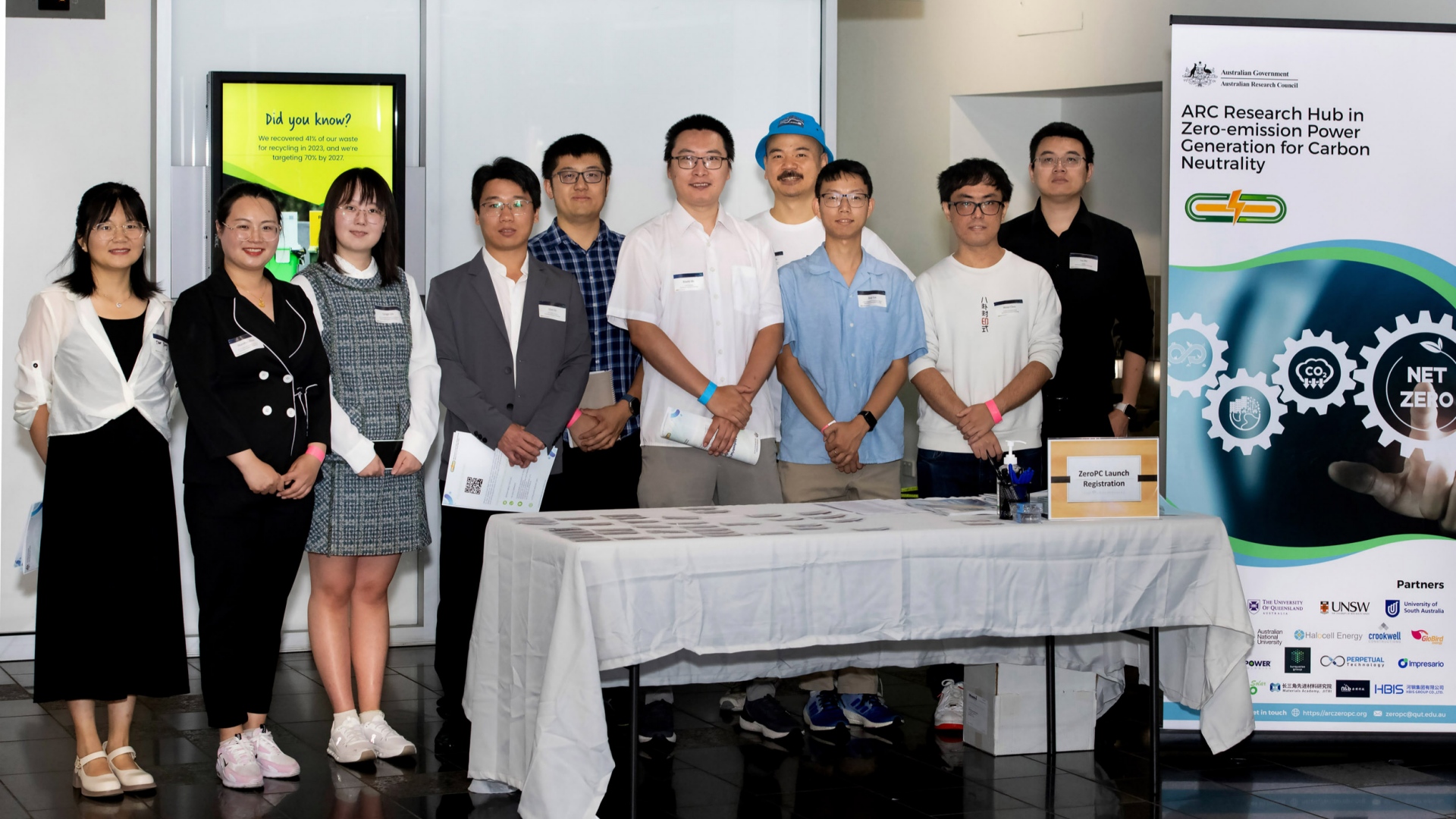
Researchers from Queensland University of Technology and the ARC Research Hub for Zero-emission Power Generation for Carbon Neutrality have developed a high-performance flexible thermoelectric semiconductor with strong potential for wearable energy-harvesting technologies.
Published in Nature Communications, the study reports a vacancy engineering strategy for AgCu(Te, Se, S), an inorganic semiconductor composed of silver, copper, tellurium, selenium and sulphur. By carefully controlling atomic vacancies within the crystal structure, the research team enhanced the material’s ability to convert body heat into electricity while maintaining excellent mechanical flexibility.
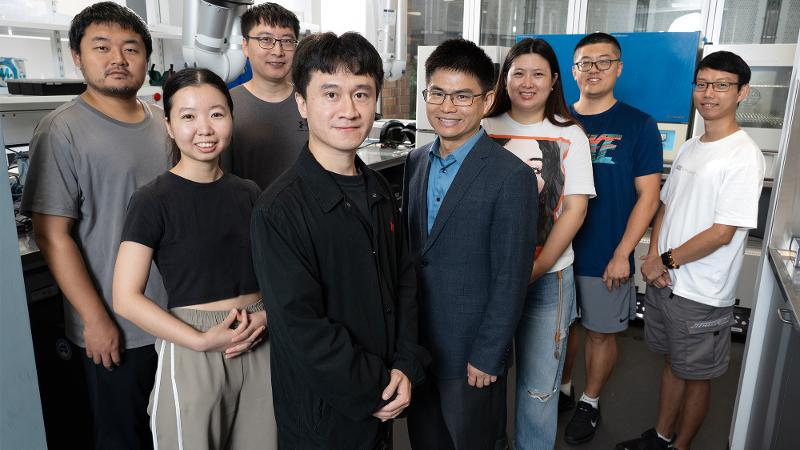
The work was led by first author Nan-Hai Li, with contributions from Dr Xiao-Lei Shi, Siqi Liu, Tian-Yi Cao, Min Zhang, Dr Wan-Yu Lyu, Professor Wei-Di Liu, Dongchen Qi and Professor Zhi-Gang Chen from the ARC ZeroPC Hub, QUT’s School of Chemistry and Physics, and the QUT Centre for Materials Science.
The research aligns closely with the Hub’s Theme 1 program, which focuses on advancing high-performance thermoelectric materials and devices for zero-emission power generation. Flexible thermoelectric materials are of growing interest because they can directly convert body heat or low-grade waste heat into electricity without moving parts, noise or emissions.
Guided by advanced computational design, the QUT team synthesised the AgCu(Te, Se, S) semiconductor using a simple and cost-effective melting method. The precise control of vacancies not only improved thermoelectric performance but also enabled strong ductility and flexibility, making the material suitable for wearable and micro-flexible device applications.
To demonstrate its practical potential, the researchers fabricated several micro-flexible thermoelectric devices that could be attached to the human body. These devices highlight the possibility of future wearable electronics that harvest energy from body heat and reduce reliance on conventional batteries.
Professor Zhi-Gang Chen, Lead Chief Investigator and Director of the ARC ZeroPC Hub, said the study contributes to the Hub’s broader mission of developing next-generation thermoelectric technologies for clean and sustainable energy applications.
As flexible electronics continue to advance, materials that combine high thermoelectric performance with mechanical flexibility will be increasingly important for wearable sensors, self-powered electronics and portable energy systems.
Read the full paper, “Strategic vacancy engineering advances record-high ductile AgCu(Te, Se, S) thermoelectrics”, in Nature Communications
Source: Adapted from QUT News, “Crystal clear design for high-performance flexible thermoelectric semiconductor”, published on 23 April 2025. Image credit: QUT News / QUT / ARC ZeroPC Hub.